

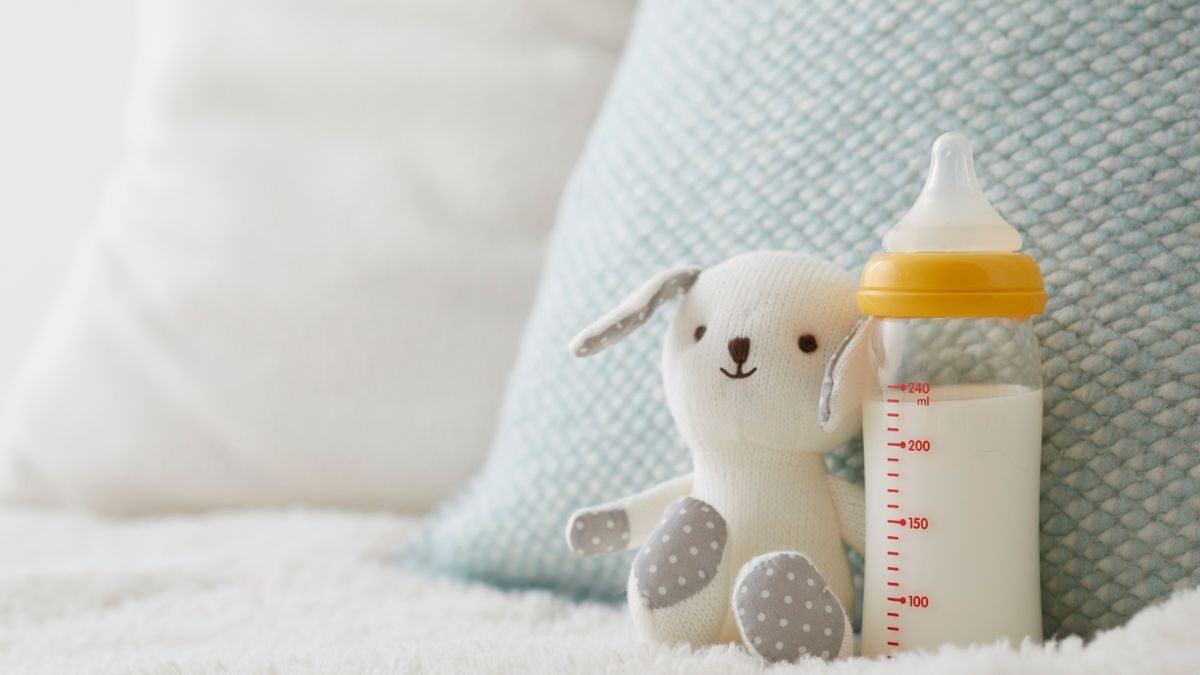
Weaning your child from the bottle can feel like a bigger milestone than expected. It’s familiar, comforting, and often part of the smoothest moments of the day. But after the first year, continuing bottle use can quietly interfere with your child’s development — and the longer it lasts, the harder it becomes to undo.
Here’s what parents need to know about when to wean, why it matters, and how to do it with as little stress as possible.
When to Wean
Start shortly after your child’s first birthday.
The goal is to be fully weaned from the bottle by around 15 months.
This timing isn’t arbitrary. Between 15 and 18 months, toddlers enter a stage where emotional attachments intensify. They’re learning independence, but they still need frequent reassurance. Comfort objects take on new importance — and if the bottle is still in the picture, it can quickly become their primary source of comfort.
Weaning before this stage helps prevent the bottle from turning into an emotional crutch rather than a feeding tool.
Why Bottle Weaning Matters
1. Emotional Attachment Becomes Stronger With Age
Toddlers naturally swing between independence and clinginess. During stressful moments — illness, fatigue, overstimulation — they seek both physical closeness and familiar comfort objects.
If a bottle is still available, children often cling to it more intensely during this phase. Encouraging alternative comfort items (like a hug, a blanket, stuffed animal, or favorite toy) helps support emotional regulation without reinforcing bottle dependence.
2. Dental Health Is at Risk
Milk contains natural sugars that can cling to developing teeth. When toddlers sip from bottles throughout the day or fall asleep without brushing their teeth, those sugars remain on the teeth for hours.
This can lead to early childhood cavities, sometimes as young as 18 months. Juice in a bottle is even more damaging and significantly increases the risk of decay. Prolonged bottle use has been linked to dental issues well into preschool years.
3. Bottles Interfere With Appetite
Many toddlers over 12 months fill up on milk instead of solid foods when they drink from bottles. A child who drinks a large bottle first thing in the morning often has little appetite for breakfast.
At this stage, children need nutrition from a variety of foods, not just milk. Bottles also allow children to drink faster than cups, making it easier to overconsume milk and harder to recognize fullness.
If calcium intake is a concern, a pediatrician can help ensure nutritional needs are met without relying on bottles.
4. Bottles Can Become a Sleep Crutch
Healthy sleep habits depend on a child’s ability to fall asleep independently. Using a bottle to drift off creates a sleep association that can lead to difficulty settling without it — especially during night wakings.
By around one year old, most children are capable of sleeping through the night without needing extra milk. Teaching independent sleep without a bottle supports better long-term sleep patterns.
Wondering what a toddler sleep schedule can look like at this age?
Read: Toddler Sleep Schedules — Eighteen Months to Two-and-a-Half
How to Wean: A Step-by-Step Approach
1. Introduce a Cup
If you haven’t already, start offering milk in a cup. Different children prefer different styles — sippy cups, straw cups, flip-top lids, or open cups. For many toddlers, the cup’s color or design matters more than the type.
The goal is familiarity and comfort, not perfection.
2. Remove the Lunch Bottle First
Lunch is usually the least emotionally charged feeding. Replace the bottle with your child’s preferred cup and serve it with lunch. Keep the rest of the routine the same.
3. Eliminate the Dinner Bottle
After about four to seven days, once your child is comfortable drinking from a cup at lunch, replace the dinner bottle as well. Follow your child’s cues and move at a steady, predictable pace.
4. Tackle the Morning Bottle
Instead of offering a bottle immediately after waking, transition straight to breakfast at the table. Serve milk in a cup as part of the meal.
5. Let Go of the Bedtime Bottle
If your child has eaten a reasonable dinner, extra milk at bedtime isn’t necessary to get through the night.
If bedtime resistance appears, use a gradual approach:
- Reduce the amount of milk in the bottle by at least two ounces every two days
- When you reach about three ounces, switch to offering water in a cup during the bedtime routine
- Maintain comforting rituals like reading, singing, or cuddling
If milk before bed feels non-negotiable, work toward serving it in a cup and brush teeth before sleep.
A Critical Step: Remove All Bottles
Once your child is weaned, throw away every bottle — including extras stored in diaper bags, cars, or drawers. A forgotten bottle can reappear months later during a tough moment and quickly undo progress.
What If Your Child Is Already Very Attached?
If bottle use extends beyond 15 months, it may shift from habit to emotional attachment. Signs include:
- The bottle functioning as a security object
- Requests during stress, fatigue, or anxiety
- Demands for a specific drink or amount in their bottle
- Needing the bottle to fall asleep and during the night to fall back asleep
(if that sounds like your toddler, you will need to address night weaning in your sleep coaching plan) - Carrying it throughout the day
How to Help an Older Toddler Let Go
- Give advance notice (three to five days)
- Gradually reduce bottle frequency and volume
- Remove bottles from sight ahead of time
- Be calm, firm, and consistent on the final day
- Offer extra comfort, reassurance, and a small reward
- Expect temporary setbacks and respond with patience
The Bottom Line
Bottle weaning isn’t about taking comfort away — it’s about supporting your child’s development, health, and independence at the right time. When handled early, gradually, and consistently, most children adapt far more easily than parents expect.